
Gum disease is very common and affects an estimated 50% of U.S. adults (or around 65 million people). If left untreated, this common condition can not only lead to tooth loss, but also increase your risk of serious illnesses like heart disease. At Greenwood Dental, we want to help you maintain good oral health and overall well-being, so we offer multiple types of gum disease therapy that address the root cause of gum disease. If you think your gums could use some help, give us a call to schedule an appointment. After Dr. Greenwood has evaluated your needs, he'll create the perfect treatment plan for your smile.
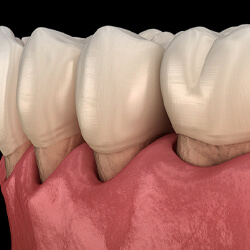
Gum disease occurs when plaque and bacteria cause inflammation and damage the gums and underlying bone that surround the roots of the teeth. These structures support the teeth and keep them in place, giving them the stability they need for chewing hard, crunchy, or tough foods.
One of the first symptoms of gum disease is bleeding gums, particularly after brushing or flossing. This early stage is called gingivitis and may also include swollen or tender gums. As gum disease progresses to more advanced stages, you may notice more severe bleeding, chronic bad breath, gum recession, loose teeth, or discomfort when chewing.
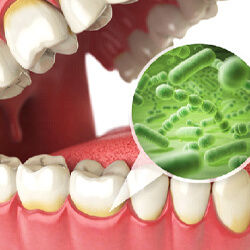
Many people don't realize it, but gum health is the foundation of their smile. By getting the treatment you need, you'll greatly reduce your risk of tooth loss. Not to mention the many studies that have found that having healthy gums lowers your risk of:

If you notice any of the symptoms of gum disease mentioned above, give us a call. As a dentist in Sagamore Hills, we have several different treatments that are very effective, but the earlier we start, the better.
Applying a topical antibiotic under your gums can be a wonderful addition to either of the above therapies. This “gel” is only placed in isolated areas where it's needed and offers extra antibacterial protection for your gums. You could almost compare it to applying antibiotic ointment to a cut after it’s been cleaned, except it's used under the gums instead.
Finally, after your initial gum disease therapy, we'll recommend coming in for cleanings every 3, 4, or 6 months (depending on the severity of your gum disease). These visits will maintain your progress and keep your gums healthy over the long-term.
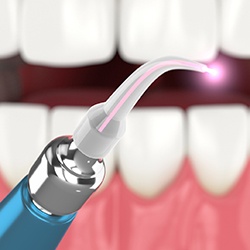
We strive to bring our patients the quality care they deserve while also helping them stay as comfortable as possible. That’s why we currently offer laser periodontal treatment as a modern way to address inflamed, bleeding gums. The laser causes very little discomfort, and its precision allows us to only treat the infected parts of the gums while leaving healthy tissues alone. Read on for more information on laser periodontal treatment and how it can improve the overall health of your smile.
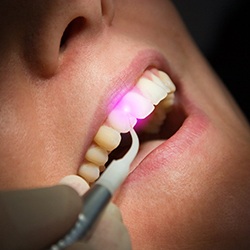
During laser periodontal treatment, we’ll target the gum tissue that is currently suffering from an infection. Using a special laser, we’ll remove the tissue in question, which will give the rest of the mouth a chance to heal. This treatment will also help get rid of some of the bacteria responsible for the infection, thanks to the laser’s energy. Generally speaking, a single laser periodontal treatment can often be completed in about one to two hours; the exact length usually depends on how severe your gum disease currently is.

Nowadays, more and more practices are utilizing lasers for gum disease treatment. This state-of-the-art approach comes with several important advantages

In the days following laser periodontal treatment, your gums may be somewhat swollen or sensitive. These symptoms should eventually go away on their own; until they do, feel free to use over-the-counter pain medication to manage any discomfort that you might be experiencing.
While your mouth is healing, it’s essential to maintain excellent oral hygiene so that you can keep the chances of an infection occurring as low as possible. You can brush and floss as you normally would, but remember to be careful when you clean near the treatment site.
During your recovery, make sure that you stay away from foods that are particularly hot or cold. Such foods can easily irritate sensitive gums, resulting in discomfort.
If your post-treatment discomfort doesn’t seem to be improving over time (or appears to be growing worse), you should let our team know right away. We can help you identify the root of the problem and help you find the solution that will let you get your oral health back on track.
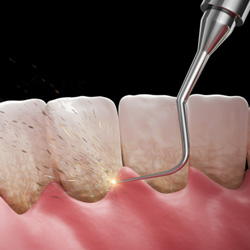
To fight your gum disease at its source, we may suggest scaling and root planing, which are the two main parts of a dental deep cleaning. With scaling and root planing, we can target the harmful bacteria hiding beneath your gumline that are contributing to your gum disease. This treatment can go a long way toward reducing your inflammation while giving the gums the opportunity to heal.
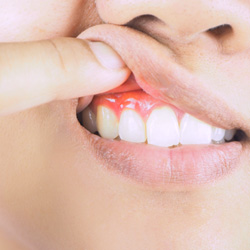
The answer to this question largely depends on how advanced your gum disease currently is. If it is still in the gingivitis stage, you may be able to remedy the problem with good oral hygiene habits (i.e., brushing two times a day, flossing daily, and periodically rinsing with antibacterial mouthwash). But if your gum disease has already reached its more advanced stages, then we may recommend scaling and root planing to ensure that the problem doesn’t grow worse.
Keep an eye out for the warning signs of gum disease, such as swollen or bleeding gums, teeth that look longer than normal, or bad breath that won’t go away. If you’re experiencing such symptoms, there’s a good chance that scaling and root planing may be necessary to get your oral health back on track.
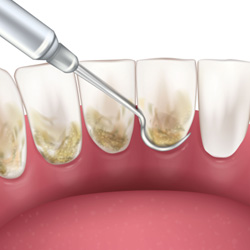
The scaling and root planing process often takes around 2 to 4 appointments; the exact number of visits needed can vary depending on your situation. We’ll begin with scaling, which is when we remove plaque and tartar from your teeth and gums using a special dental instrument. We’ll target the area beneath your gumline and make a point of cleaning all the way down to the bottom of any pockets that have appeared between the teeth and gums.
Once scaling is complete, we can move on to root planing. This involves smoothing out any rough areas on your tooth roots. Not only will a smoother surface encourage the gums to reattach themselves to the teeth, but it will also help prevent future bacteria buildup.
It may take a few weeks for your mouth to recover after scaling and root planing, and it’s normal to experience some level of discomfort and sensitivity during this time. In order to ensure that the healing process is as smooth and comfortable as possible, try following these helpful tips: